Overseas Filipino Workers (OFWs) are Filipinos who live and work abroad, often to provide better opportunities for their families back home. Each year, millions of Filipinos travel abroad to seek work, leaving their families to provide a more stable livelihood.
OFWs are a major source of strength for the Philippine economy and society. Their contributions go far beyond just financial support, as they also foster cultural exchange and bring new skills back to the country.
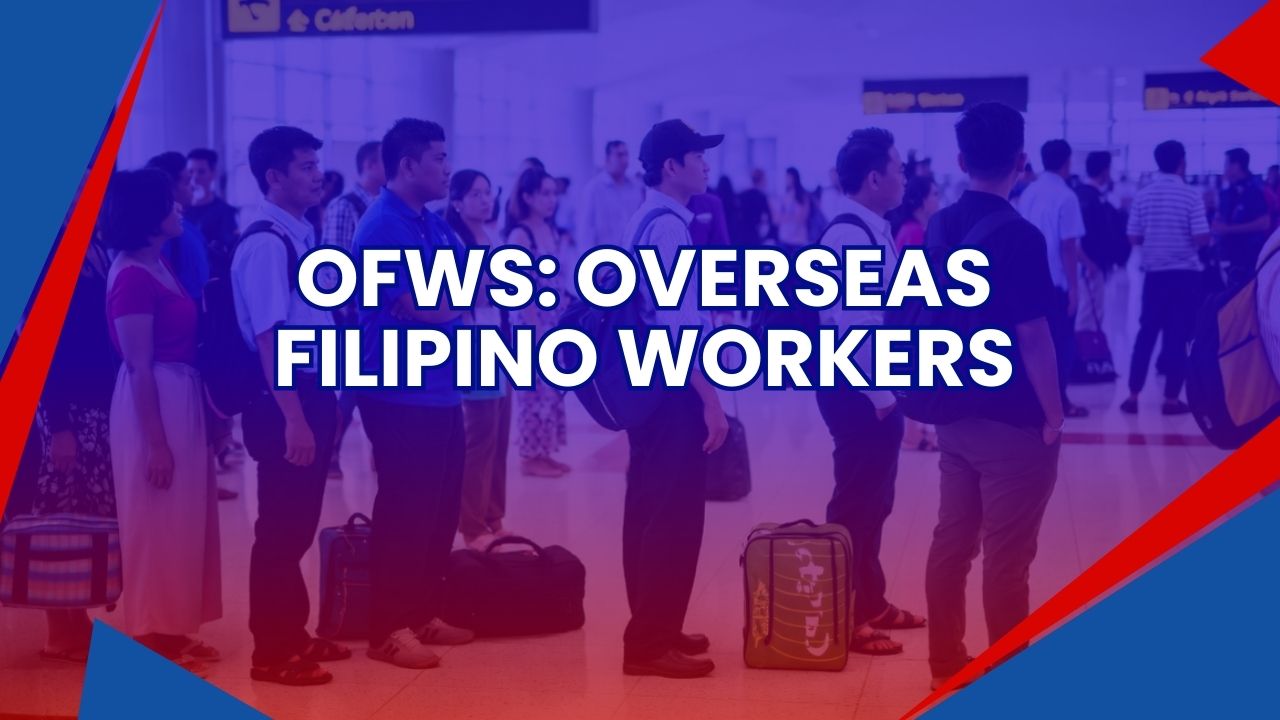
OFW Population Abroad and Regional Breakdown
The population of OFWs is spread across various countries and regions around the world, underscoring their global presence and contributions. According to recent statistics, there are about 2.2 million OFWs, representing a significant portion of the Filipino workforce engaged internationally.
Regional Distribution
- Middle East – The Middle East remains the largest destination for OFWs, hosting approximately 57.1% of overseas Filipino workers. Countries such as Saudi Arabia, the United Arab Emirates, and Qatar are among the most popular destinations due to the high demand for workers in fields like construction, healthcare, and domestic services.
- Asia (excluding the Middle East) – Around 18.2% of OFWs are located in other parts of Asia. These workers are often concentrated in countries like Japan, Hong Kong, Singapore, and Taiwan, where they are employed in domestic work, caregiving, and skilled manufacturing roles.
- Europe – The European region accounts for approximately 6.3% of OFWs. Countries such as Italy, the United Kingdom, and Spain are notable destinations where Filipinos often work in caregiving, healthcare, and other service industries.
- North America – OFWs in North America make up about 6.7% of the total. The majority are in the United States and Canada, engaging in a range of sectors such as healthcare, technology, and education.
- Oceania – Around 5.7% of OFWs are based in Oceania, particularly in Australia and New Zealand, where they contribute primarily to agriculture, construction, and healthcare sectors.
- Other Regions – The remaining percentage is distributed across countries in Africa and South America, though these regions host fewer OFWs comparatively.
The global distribution of OFWs highlights their ability to adapt to diverse roles and environments while significantly enriching the economic and social fabric of both their host countries and the Philippines.
Reasons for Filipinos Going Abroad for Overseas Work
Filipinos work abroad for various reasons, combining economic needs and personal aspirations. From seeking better financial opportunities to pursuing personal growth, OFWs are driven by a mix of factors that highlight their resilience and determination to create better lives for themselves and their families.
- Better financial opportunities: Many OFWs aim to earn higher wages and access better benefits compared to local jobs, enabling them to provide a stable life for their families and support education, healthcare, and housing needs.
- Limited local job opportunities: Unemployment and underemployment in the Philippines push skilled and unskilled workers to seek careers abroad, where better salaries and opportunities often exist.
- Career advancement and skill development: Working overseas allows professionals to gain international experience, improve their expertise, and grow their careers.
- Cultural curiosity and personal growth: Experiencing new environments, learning about different cultures, and broadening perspectives are key motivators for many Filipinos.
Driving the Philippine Economy Forward
When we talk about the economic strength of the Philippines, we must talk about OFWs. Their hard work translates into billions of dollars in remittances each year. This steady flow of income does much more than put food on the table for individual families. It acts as a powerful economic engine for the entire country.
These remittances help stabilize the national currency, boost local consumption, and fund countless small businesses. When an OFW sends money home, that money flows into local markets, schools, and hospitals. Beyond the financial impact, OFWs bring back valuable skills, global perspectives, and strong work ethics that enrich the local workforce upon their return.
Facing Hidden Struggles
While the financial rewards of working abroad often look appealing on paper, the reality of living overseas brings significant personal trials. OFWs face a unique set of challenges that test their resilience daily.
Some of the most common challenges include:
- Emotional strain: Being separated from spouses, children, and aging parents takes a heavy emotional toll. Missing milestones, holidays, and family gatherings can lead to severe homesickness.
- Cultural and language barriers: Adapting to new social norms, laws, and languages requires constant effort and can make workers feel isolated in their host countries.
- Labor disputes: While many find excellent employers, some OFWs face contract violations, delayed wages, or unfair working conditions.
- Financial pressure: The expectation to continuously provide for extended family members often prevents OFWs from building their own personal savings.
Recognizing these challenges highlights the need for strong protections and resources to ensure these workers can perform their duties safely and securely.
Support for OFWs Abroad
Supporting OFWs means addressing their challenges abroad with resources like legal aid, healthcare, financial education, and reintegration programs.
Here are Philippine agencies where OFWs can seek support:
- Overseas Workers Welfare Administration (OWWA): For welfare programs, emergency assistance, and reintegration services.
- Department of Migrant Workers (DMW): For migrant workers employment regulations and rights abroad.
- Department of Foreign Affairs (DFA): For passport and legal assistance through embassies and consulates.
- Commission on Filipinos Overseas (CFO): For pre-departure orientation and integration support.
- Pag-IBIG Fund: For housing and savings programs for OFWs.
- PhilHealth: For access to health insurance benefits.
- SSS: Social Security System insurance for pension purposes.
- Philippine Embassies and Consulates: Direct office assistance for Filipinos in their host countries.
Despite the challenges of working abroad, such as being away from loved ones and adapting to foreign cultures, OFWs show remarkable resilience and dedication. Government agencies offer support services to ensure their welfare, including legal assistance, healthcare, financial programs, and reintegration assistance.
These initiatives empower OFWs and help them build a better future for themselves and their families while acknowledging their contributions to the nation.